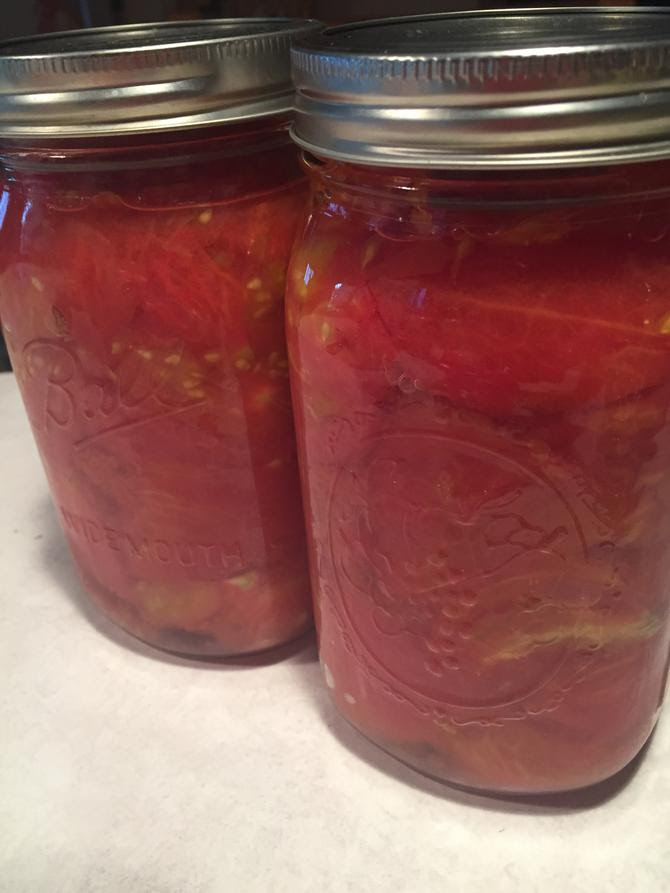
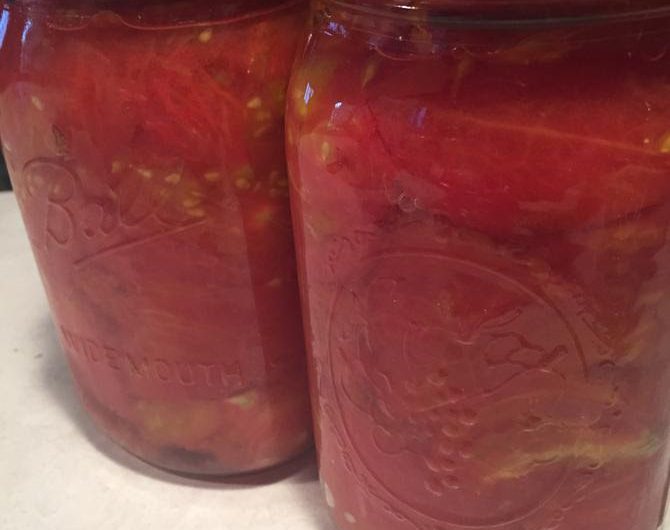
Learning how to can fresh tomatoes is one of those kitchen skills that pays you back all year long. There’s something deeply satisfying about lining up jars of bright, ruby-red tomatoes on the counter, knowing they’ll become sauces, soups, and comfort meals when winter rolls around. The flavor is clean and pure—just tomatoes at their peak—with a texture that’s tender but sturdy enough for cooking later. When you open a jar months from now, the aroma alone brings summer right back into the kitchen.
This is the method I use when our garden is overflowing and I need a reliable, safe way to preserve the harvest. It’s straightforward, forgiving, and perfect for getting kids or grandkids involved since the steps are repetitive and rewarding. Once you’ve done a batch or two, the rhythm feels natural. These canned tomatoes become the backbone of spaghetti sauce, lasagna, chili, and so many weeknight dinners.
If you’ve been thinking about trying home canning but felt intimidated, this is an excellent place to start. Love this guide? Pin it to your Canning & Preserving board on Pinterest so you don’t lose it!
Canning Fresh Tomatoes
Course: Preserving7
quarts45
minutes45
minutes35
kcalA simple, beginner-friendly method for safely canning fresh tomatoes for year-round use.
Ingredients
Fresh tomatoes, about 2 ⅔ lb per quart jar
Ball citric acid, ½ tsp per quart jar or ¼ tsp per pint jar
or bottled lemon juice, 2 tbsp per quart jar or 1 tbsp per pint jar
salt, 1 tsp per quart jar or ½ tsp per pint jar (optional)
Canning jars with lids and bands
Directions
- Prepare a boiling water canner and bring water to a simmer at 100°C / 212°F. Keep jars hot in simmering water. Do not boil. Wash lids in warm, soapy water and set bands aside.
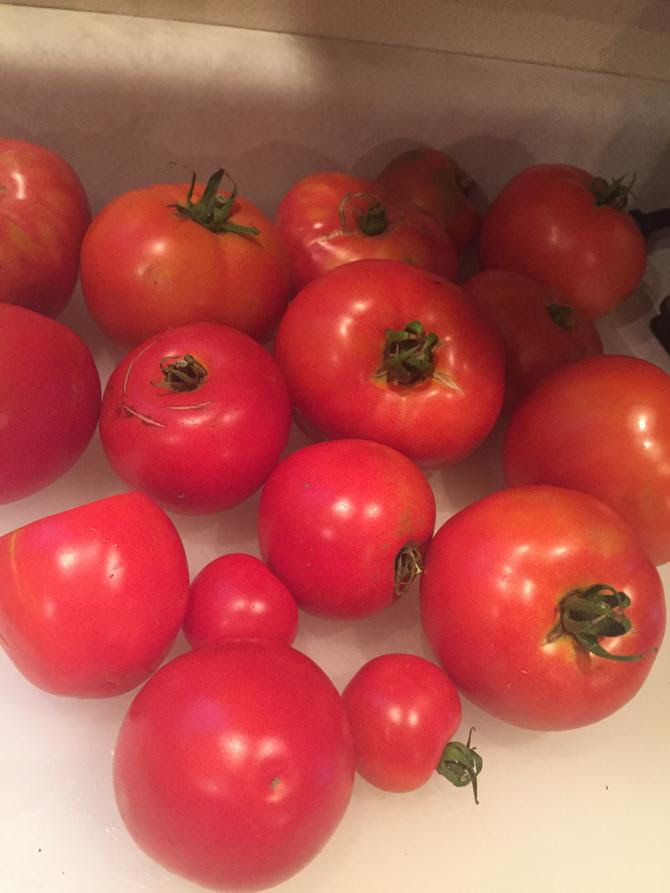
- Wash tomatoes thoroughly. Blanch in boiling water for 40–60 seconds, then immediately transfer to an ice bath. Slip off skins, trim cores, and remove any green or bruised areas.
- Quarter enough tomatoes to measure about 2 cups. Place in a large stainless-steel saucepan and bring to a boil over medium-high heat. Crush gently with a potato masher to release juices.
- Continue adding quartered tomatoes while maintaining a gentle boil, stirring to prevent scorching. Once all tomatoes are added, boil gently for 5 minutes.
- Add citric acid or bottled lemon juice to each hot jar according to jar size.
- Pack hot tomatoes into hot jars, leaving ½ inch headspace. Press gently to release air pockets. Add salt if using.
- Remove air bubbles, adjust headspace if needed, and wipe rims clean. Center lids on jars and apply bands until fingertip-tight.
- Process jars in a boiling water canner at 100°C / 212°F for 35 minutes (pints) or 45 minutes (quarts).
- Remove jars and let cool undisturbed for 24 hours. Check seals; lids should not flex when pressed.
Notes
- Acidification is essential for safe water-bath canning.
- Always use bottled lemon juice for consistent acidity.
- Tomatoes should be packed hot, not raw.
- Store sealed jars in a cool, dark place up to one year.
Nutrition
Estimated Nutrition per Serving (1 cup canned tomatoes)
- Calories: 35 kcal
- Fat: 0.4 g
- Carb: 7.6 g
- Protein: 1.7 g
Recipe Science
This method uses hot-pack water bath canning, which relies on acidity and heat to inhibit microbial growth. Tomatoes vary in natural acidity, so adding citric acid or bottled lemon juice ensures the pH stays below the safe threshold for boiling-water processing. Heating tomatoes before packing removes excess air and improves heat penetration during processing.
Blanching loosens tomato skins by breaking down pectin at the surface, making peeling efficient without cooking the flesh. Crushing the first batch of tomatoes releases juice, preventing scorching and ensuring even heating as additional tomatoes are added.
From a practical standpoint, this process produces shelf-stable tomatoes with consistent texture and flavor. Dietary Note: Sodium is optional and remains low unless salt is added. This product is naturally low in fat and calories, making it suitable for most diets.
Why You’ll Love This Method
- Beginner-Friendly: Clear steps with reliable results.
- Versatile: Perfect for sauces, soups, and casseroles.
- Budget-Smart: Preserves excess garden tomatoes.
- Family Project: Easy to involve kids safely.
FAQ
- Can I skip the citric acid or lemon juice?
No, added acid is required for safe water-bath canning. - What tomatoes work best?
Roma and paste tomatoes are ideal, but slicers also work. - Do I add water to the jars?
No, pack tomatoes in their own juice only. - What if a jar doesn’t seal?
Refrigerate and use within a few days.
Conclusion
Canning tomatoes is one of those skills that builds confidence with every batch. Take your time, follow the steps, and enjoy the process—it’s just as rewarding as the results. What’s your favorite recipe to make with home-canned tomatoes? Happy cooking, from my kitchen to yours!